difference between ductile and cast iron
Product Description: Discover the Superior Strength of Ductile vs
Product Description
Product Description: Discover the Superior Strength of Ductile vs. Cast Iron
Are you seeking the perfect material for your next heavy-duty project? Look no further! We proudly present a comparative insight into Ductile Iron and Cast Iron, two remarkable choices that can elevate your engineering and manufacturing processes. Dive into the world of iron alloys and unlock the specific advantages that each brings to the table.
The Power of Ductile Iron
Ductile Iron (also known as Nodular Iron) is celebrated for its superior impact resistance and flexibility. With a tensile strength of up to 60,000 PSI and elongation rates of 10% or more, this remarkable material can withstand significant stress without breaking.
Key Specifications:
- Yield Strength: 40,000 - 75,000 PSI
- Brinell Hardness: 150 - 250 HB
- Density: Approximately 7.0 g/cm³
Advantages:
- High Ductility: The unique nodular structure allows Ductile Iron to bend without shattering, making it perfect for applications that require longevity and durability.
- Resistance to Fracturing: Ideal for heavy loads and high-impact applications, Ductile Iron minimizes the risk of breakage, ensuring reliable performance in demanding environments.
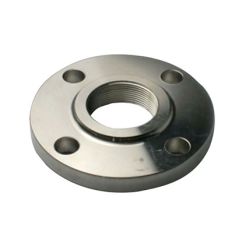
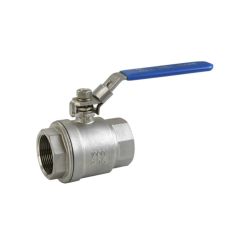
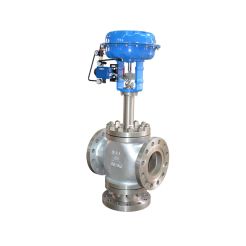
- Versatile Applications: Used across various industries, including automotive parts, pipe fittings, and heavy machinery components, Ductile Iron is your go-to choice for quality and strength.
The Enduring Legacy of Cast Iron
On the other hand, Cast Iron presents a level of durability that has been trusted for centuries. With its exceptional wear resistance and ability to dissipate heat effectively, it remains a staple in numerous applications.
Key Specifications:
- Tensile Strength: Varies from 20,000 to 60,000 PSI
- Brinell Hardness: 150 - 300 HB
- Density: Approximately 6.9 g/cm³
Advantages:
- High Wear Resistance: Perfect for engines, cookware, and infrastructure applications, Cast Iron holds up exceptionally well against wear and tear.
- Good Castability: Its excellent fluidity during the casting process allows for intricate shapes and designs, making it a favorite among manufacturers.
- Heat Retention: Cast Iron cookware is renowned for its ability to retain and evenly distribute heat, making it ideal for culinary enthusiasts.
Choosing the Right One for You
When deciding between Ductile Iron and Cast Iron, consider your specific application needs. Ductile Iron is your best bet for dynamic and heavy-duty engineering tasks that require significant flexibility and resilience. Cast Iron, while less ductile, offers unmatched wear resistance and excellent thermal properties conducive to more static applications.
Conclusion
Whether you’re in construction, manufacturing, or culinary endeavors, both Ductile and Cast Iron are indispensable materials that can elevate the quality and efficiency of your projects. Choose wisely, and unleash the potential of your next endeavor with the right iron alloy that meets your unique demands.
Make a Smart Investment! Enhance your project’s durability, performance, and reliability today by selecting the right type of iron. Contact us for more details or to place your order now! Don’t miss out on the opportunity to utilize these powerful materials and take your projects to the next level.
Related Products:difference between ductile and cast iron, is ductile iron the same as cast iron